Consulting
Service
Municipal solid waste (MSW) is complex and diverse, containing dozens of components such as kitchen waste, plastics, paper, metals, and glass. Its harmless, reduced-volume, and resource-based treatment is a core issue in urban environmental governance. Screening, as a crucial process in the MSW treatment chain, utilizes differences in particle size, density, and physical form to separate mixed waste into different categories using specialized equipment. This provides precise raw materials for subsequent incineration power generation, landfill disposal, and resource recycling, directly determining treatment efficiency and resource utilization. MSW screening is not a single step but a systematic process encompassing pretreatment, core screening, post-treatment, and auxiliary support. Each step is closely linked and works synergistically to form a complete waste separation system.
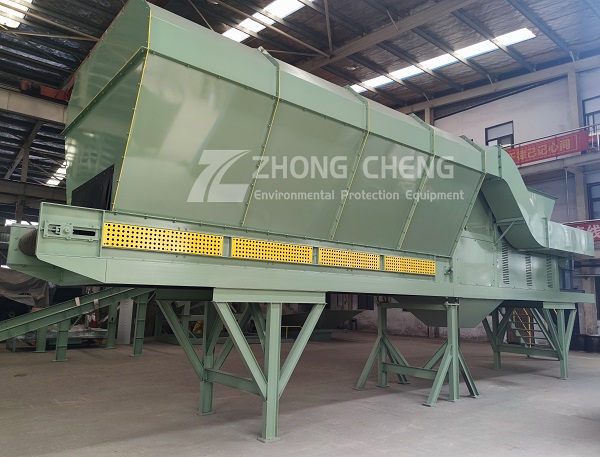
A. Pretreatment: Laying the Foundation for Screening Raw MSW often contains large debris, hard objects, and significant amounts of moisture. Directly feeding these into screening equipment can easily lead to blockages, equipment wear, and decreased screening accuracy. The core objective of the pretreatment process is to "pre-process" the MSW, removing special impurities and adjusting the material state to meet the feeding requirements of the screening equipment, creating conditions for subsequent efficient screening. The process mainly includes four key steps: bulky waste separation, manual sorting, crushing, and dewatering.
1. Bulky Waste Separation: Removing Obstacles to Screening Household waste often contains bulky items such as furniture, mattresses, discarded appliances, and construction debris. These items are large and hard, making them impossible to pass through conventional screening equipment and easily damaging equipment components. This step uses a combination of manual identification and mechanical assistance to achieve separation: interception devices are installed at the unloading port of the waste transfer truck, and operators initially identify bulky waste before using hydraulic grabs or forklifts to transfer it to a designated storage area. For dismantled items such as discarded furniture, further dismantling is performed to separate recyclable components such as wood and metal; for bulky waste that cannot be reused, it is directly compressed to reduce its volume before being sent to a landfill for disposal, preventing it from entering the screening system and causing obstruction at the source.
2. Manual Sorting: Removing Hazardous and Special Impurities Manual sorting is an important supplement to pretreatment, mainly targeting hazardous materials and special impurities that are difficult for screening equipment to identify, such as waste batteries, light bulbs, paint buckets, and medical waste. This step is carried out on a specialized sorting platform. Operators, equipped with protective gear, visually identify and remove such items from the waste stream. Hazardous waste such as used batteries and light bulbs are collected separately and handed over to professional organizations for processing; flammable and explosive materials such as paint buckets are safely handled before further disposal; medical waste is transported separately in strict accordance with medical waste disposal regulations to avoid environmental pollution or safety risks during subsequent processing. Simultaneously, operators also sort out larger recyclable items, such as intact plastic buckets and cardboard boxes, to improve resource recycling efficiency.
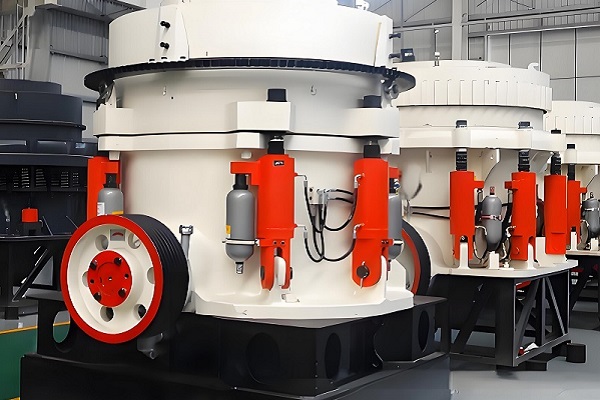
2. Crushing Process: Reducing Particle Size Differences After the bulk separation, some large-sized materials remain in the household waste, such as large pieces of kitchen waste and branches. These need to be crushed to reduce their size, making the material more uniform in shape and easier for subsequent screening. The commonly used equipment is a shear crusher, which uses high-speed rotating blades to shear and tear the material, crushing it to below 100 mm. During the crushing process, the crushing intensity must be strictly controlled to avoid over-crushing hard objects such as glass and metal, which would affect the subsequent separation effect. For kitchen waste with high moisture content, crushing can promote moisture release, facilitating subsequent dewatering. Some processing systems use different crushers of varying sizes based on the waste composition for targeted crushing.
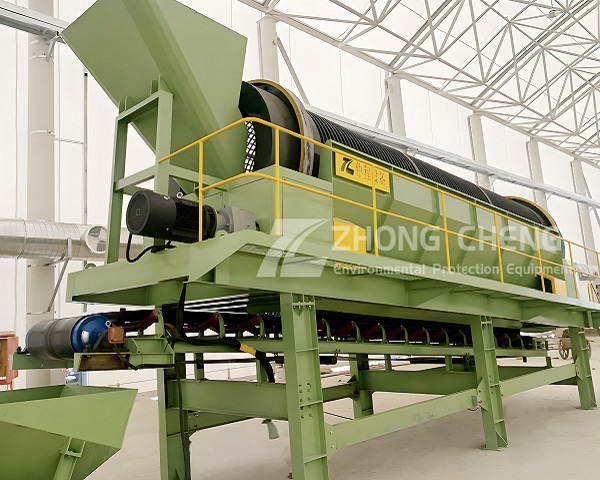
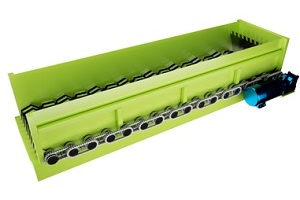
4. Dewatering Treatment: Reducing Material Moisture Content Kitchen waste constitutes a high proportion of household waste, typically exceeding 50% moisture content. High moisture content not only increases waste weight and transportation costs but also affects the stability and accuracy of screening equipment. Dewatering is primarily achieved through a compression dewatering machine. After entering the dewatering machine, the material is squeezed out by the screw extrusion, and the water is then transported to the wastewater treatment system via collection pipes. The moisture content of the dewatered waste can be reduced to around 30%, resulting in a more stable material form that is less prone to sticking to screening equipment. For waste collected in rainy southern regions or during the rainy season, a natural draining stage is added before dewatering. This involves using an inclined conveyor belt to extend the material's residence time, allowing some free water to drip off naturally, reducing the load on the dewatering equipment.
B. Core Screening Process: Achieving Precise Material Separation
The core screening process is the "central hub" of the entire treatment flow. Based on the physical properties of different materials, it uses multi-stage, combined screening equipment to separate pre-treated municipal solid waste into different categories, providing clearly categorized materials for subsequent resource utilization and harmless disposal. This process typically unfolds according to the logic of "particle size classification—component separation—precise purification," encompassing multiple steps such as vibrating screening, air separation, magnetic separation, and photoelectric separation.
1. Vibrating Screening: Preliminary Grading by Particle Size
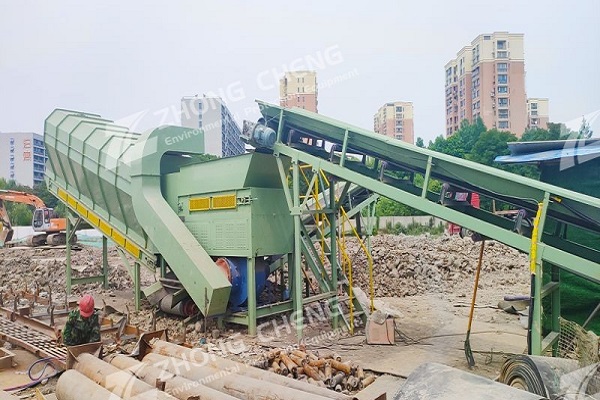
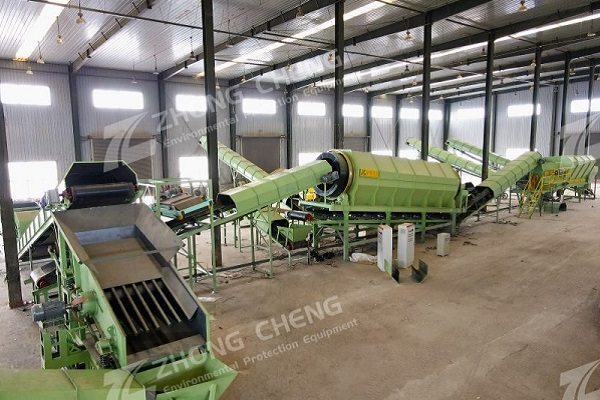
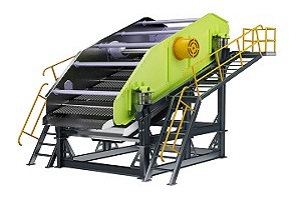
Vibrating screening is the first step in the core screening process. Its main function is to separate waste into three grades—coarse, medium, and fine—based on particle size, laying the foundation for subsequent targeted separation. Commonly used equipment is a multi-layer circular vibrating screen, equipped with 2-3 layers of screens with different aperture sizes, gradually decreasing from top to bottom. Material enters from the top of the screen. Under high-frequency vibration, fine material (0-20 mm) passes through the bottom screen, mainly consisting of kitchen waste scraps and dust; medium material (20-80 mm) passes through the middle screen, including plastic fragments, paper, and small metal pieces; coarse material (above 80 mm) exits from the top screen, mainly consisting of incompletely crushed material, which needs to be returned to the crushing stage for reprocessing.
The vibration frequency and amplitude of the vibrating screen can be flexibly adjusted according to the material characteristics. For highly adhesive materials, the vibration intensity can be increased to prevent screen clogging. The screen is made of a wear-resistant and non-stick special material and is equipped with an automatic screen cleaning device that uses ball bearings or ultrasonic waves to clean residual material from the screen gaps, ensuring stable screening efficiency. After vibrating screening, materials of different particle sizes enter their respective subsequent processing stages for preliminary classification.
2. Air Classification Separation: Separating Light and Heavy Components by Density Air classification utilizes the density differences of materials to separate light and heavy components in a medium-density material under the action of airflow. It is a crucial step in separating plastics and paper from metals and glass. This step typically uses a horizontal air classifier. The material enters from the middle of the air classifier, and a fan blows a stable airflow from one side. Light materials such as plastic films and paper are blown to a distant collection bin by the airflow; heavy materials such as metals, glass, and stones fall vertically under gravity and enter the heavy material collection area. The separation accuracy can be controlled by adjusting the airflow speed. Generally, the airflow speed is set at 3-5 m/s to ensure effective separation of light materials while preventing small heavy particles from being blown away.
For materials with high moisture content, some systems will install a hot air drying device before air classification to reduce the material's moisture content and prevent light materials from increasing in density due to moisture adhesion, which would affect the separation effect. After air classification, the light materials enter the plastics and paper sorting stage, while the heavy materials enter the metal and non-metal separation stage.
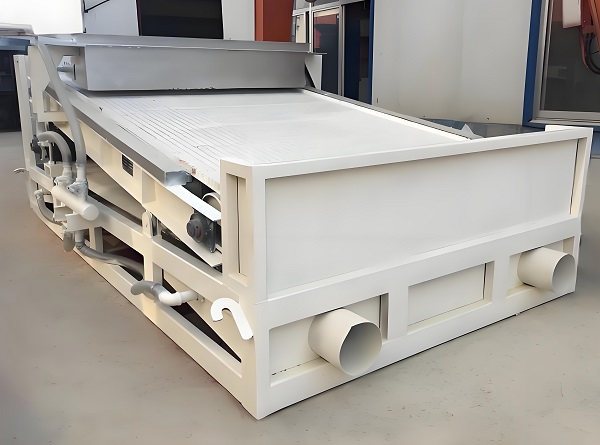
3. Magnetic Separation and Eddy Current Separation: Recovering Metal Resources
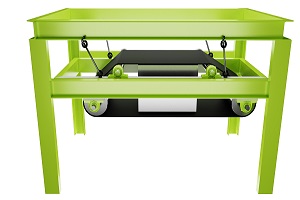
Metal resources have extremely high recycling value. Magnetic separation and eddy current separation are core technologies for recovering metals from municipal solid waste. Magnetic separation is mainly for ferrous metals such as iron, cobalt, and nickel. The commonly used equipment is a permanent magnet drum separator. When heavy materials pass through the magnetic separator, the ferrous metals are attracted by the strong magnetic field on the drum surface. As the drum rotates to the non-magnetic zone, the metals fall off and are recovered, achieving a recovery rate of over 98%. The magnetic field strength of the magnetic separator is adjusted according to the material. For small iron nails and wires, the magnetic field strength needs to be increased to over 10,000 Gauss to ensure effective adsorption.
Eddy current separation is for non-ferrous metals such as aluminum, copper, and zinc. When the material passes through a high-frequency magnetic field, eddy currents are generated inside the non-ferrous metals, forming a magnetic field opposite to the direction of the magnetic field. This generates a repulsive force, separating the metals from the material flow. Eddy current separators are usually used in series with magnetic separators. First, ferrous metals are recovered through magnetic separation, and then non-ferrous metals are recovered through eddy current separation, achieving comprehensive recovery of metal resources. The recycled metals are compressed and packaged before being sent to a metallurgical plant for resmelting, achieving resource recycling.
4. Photoelectric Sorting: Precise Separation of Plastics and Paper The lightweight materials after air classification are mainly plastics and paper. Photoelectric sorting achieves precise separation by identifying the optical properties of the materials. A commonly used device is a near-infrared photoelectric sorter. As the materials are conveyed at a constant speed via a conveyor belt, a high-speed camera captures the color and shape information of the materials, while a near-infrared sensor detects differences in the molecular structure of the materials. This data is transmitted to an AI recognition system. Based on preset optical parameter thresholds for plastics and paper, the system quickly determines the material type. When the material reaches the sorting port, it controls the corresponding high-pressure airflow nozzles to blow the plastic or paper to a designated collection bin.
The recognition accuracy of the photoelectric sorter can reach over 95%, effectively distinguishing different types of plastics, such as polyethylene and polypropylene, providing support for differentiated plastic recycling. For materials with similar colors and small differences in optical properties, the system can also combine deep learning algorithms to continuously learn material characteristics and improve recognition accuracy. The separated paper is compressed and packaged before being sent to a paper mill, while the plastic is crushed into granules for the production of recycled plastic products. 5. Fine Material Screening: Purifying Kitchen Waste
The fine material produced by vibrating screening mainly consists of kitchen waste, but it still contains small amounts of fine plastics, pebbles, and other impurities, requiring further purification through fine material screening. Common equipment combines a drum screen and a hydraulic screen. The fine material first passes through the drum screen, where the screen gaps separate small pebbles and other impurities. It then enters the hydraulic screen, where the kitchen waste, due to its low density and ease of dispersion, remains suspended under the influence of water flow, while the fine plastics float on the surface due to surface tension. Separation is achieved through different collection devices.
The purified kitchen waste can reach a purity of over 90%, which can be directly used for anaerobic fermentation to produce biogas or for making bio-organic fertilizer. The separated fine plastics are sent to the plastic recycling process, while the pebbles and other impurities are sent to landfills for disposal. The wastewater generated from hydraulic screening is treated and recycled, avoiding water waste.
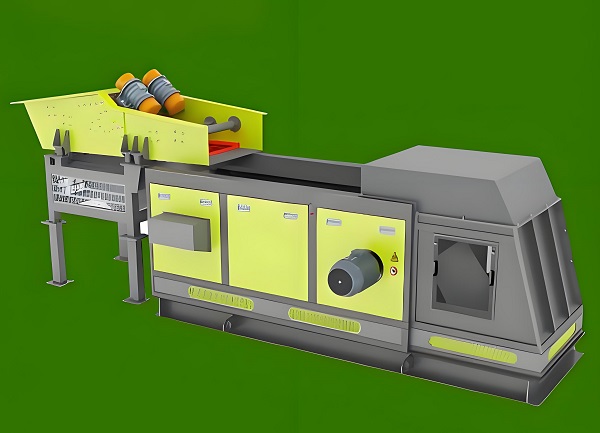
C. Post-processing Procedures: Completing the Closed-Loop Material Disposal After core screening, various materials need to undergo post-processing procedures to achieve final resource utilization or harmless disposal, forming a closed-loop system of "screening—processing—utilization." Post-processing procedures are divided into three main directions based on material type: recyclable material processing, kitchen waste resource utilization, and residual waste disposal.
1. Recyclable Material Processing: Enhancing Resource Value Recyclable materials such as metals, plastics, and paper separated by screening need to undergo washing, crushing, and packaging to enhance their utilization value. After metal recycling, ferrous metals are cut, packaged, and sent directly to steel mills; non-ferrous metals need to be sorted and cleaned to remove surface oil and impurities before being smelted into alloy ingots. Plastics need to be cleaned to remove mud and oil, then crushed into 2-5 mm plastic particles by a crusher, dried, and packaged according to plastic type before being sent to recycled plastic plants to produce pipes, films, and other products.
Paper needs to have impurities such as tape and staples removed, and is then shredded into pulp for the production of recycled paper. Some systems further process recyclables, such as turning waste plastics into plastic pallets and waste paper into packaging boxes, further increasing product added value.
2. Food Waste Resource Utilization: Transformation into Energy and Fertilizer Purified food waste is rich in organic matter and is an important biomass resource. It is mainly utilized through anaerobic fermentation and composting. Anaerobic fermentation is the mainstream technology. After being crushed and homogenized, food waste enters an anaerobic fermentation tank, where it decomposes under the action of anaerobic bacteria to produce biogas. The biogas, after purification, can be used for power generation or as fuel. The fermented residue is dehydrated and dried to produce bio-organic fertilizer for agricultural production. A system that processes 100 tons of food waste per day can produce approximately 3,000 cubic meters of biogas daily, meeting the daily electricity needs of hundreds of households.
Composting is suitable for small-scale processing. Kitchen waste is mixed with straw, sawdust, and other auxiliary materials in a specific ratio. In a composting chamber, it undergoes stages of heating, maturation, and cooling to ultimately form high-quality organic fertilizer, which can be used for landscaping or farmland fertilization, achieving a "waste-fertilizer-soil" cycle.
3. Residual Waste Disposal: Achieving Harmless Reduction After multiple rounds of screening, a small amount of residual waste that is difficult to recycle and utilize remains. This mainly includes inert materials and non-degradable plastics. This type of waste needs to be disposed of harmlessly through incineration or landfill. For residual waste with high calorific value, incineration for power generation is the preferred method. The waste is fully burned in the incinerator, and the heat generated heats the boiler to produce steam, which drives a turbine to generate electricity. The slag from incineration can be used to make building materials. The flue gas produced by incineration undergoes multiple purification treatments, including denitrification, desulfurization, and dust removal, to ensure that emissions meet standards.
For residual waste with low calorific value and easy degradation, sanitary landfill is used for disposal. The waste is layered and buried in the landfill, and soil and groundwater pollution is prevented by laying impermeable membranes, installing leachate collection systems and biogas collection systems. Simultaneously, landfill gas is recovered for power generation, minimizing environmental impact.
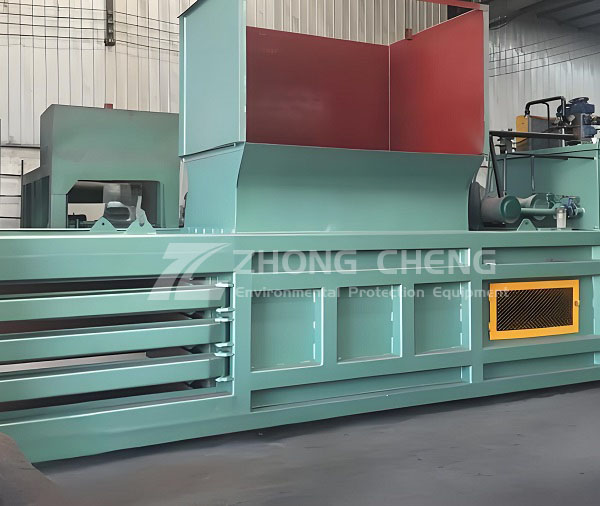
D. Auxiliary Support Procedures: Ensuring Stable System Operation The continuous and stable operation of the municipal solid waste screening and treatment system relies on the support of auxiliary support procedures. These procedures mainly include waste gas treatment, wastewater treatment, equipment maintenance, and intelligent monitoring, providing a safe and environmentally friendly operating environment for screening and treatment.
1. Waste Gas Treatment: Controlling Air Pollution Odorous gases and dust are generated during the screening and treatment process. Waste gas treatment adopts a "source collection + end-of-pipe purification" process. 1. **Enclosed Covers and Gas Collection Pipes:** Enclosed covers and gas collection pipes are installed at the unloading port, screening equipment, and material conveying points to centrally collect exhaust gases. Dust is removed by bag filters, while odorous gases undergo activated carbon adsorption and biological filters to remove harmful components such as hydrogen sulfide and ammonia. The treated exhaust gases meet emission standards, ensuring that the air quality in and around the workshop complies with regulations.
2. **Wastewater Treatment: Achieving Recycling** The wastewater generated during system operation mainly includes material washing wastewater, dewatering wastewater, and floor washing wastewater. Wastewater treatment employs a process of "grid filtration + anaerobic treatment + aerobic treatment + deep filtration." The wastewater first passes through a grid to remove large impurities, then enters an anaerobic reactor to degrade organic matter, followed by further purification in an aerobic tank. Finally, it undergoes deep treatment through a quartz sand filter and reverse osmosis equipment. The treated water meets industrial water standards and is used for material washing and equipment cooling, achieving water resource recycling with a recycling rate exceeding 90%.
3. Equipment Maintenance and Intelligent Monitoring A regular equipment maintenance system will be established, with daily inspections and periodic upkeep of key equipment such as screening machines, crushers, and separators. Worn parts will be replaced promptly to ensure optimal equipment operation. Simultaneously, an intelligent monitoring system will be introduced. Vibration sensors, temperature sensors, and liquid level sensors will be installed on the equipment to collect real-time equipment operation and material handling data. This data will be visualized and monitored through a data management platform. When equipment malfunctions, the system will automatically issue alarms and push fault information, facilitating rapid handling by operators and improving system efficiency and stability.
The municipal solid waste screening and treatment process is a systematic and rigorous comprehensive treatment system. From pretreatment material optimization to precise separation in core screening, and then to post-treatment resource conversion and harmless disposal, each link carries a specific function, collectively achieving the goals of reducing, harmlessly treating, and recycling municipal solid waste. With the advancement of AI...
With the continuous integration of technologies such as identification and intelligent control, the screening and processing procedures are developing towards greater efficiency, precision, and environmental friendliness. In the future, this will further improve the recycling rate of waste resources and provide stronger support for urban environmental governance and sustainable development.


Company: Zhengzhou ZhongCheng environmental protection equipment co., LTD

Company address: 36 xueyuan road, Zhengzhou City, Henan Province, China.

Whatsapp:+86-18738194110


Our Email

Our phone
 86-18738194110
 86-18738194110

Save Time! Get A Detailed Quotation Quickly.


 2026-04-22