Consulting
Service
In numerous fields such as mineral processing, environmental treatment, and material purification, magnetic separators, as key equipment for separating substances using magnetic force, have become an indispensable part of the industrial production chain due to their high efficiency and precision. The core working principle of a magnetic separator is based on the magnetic differences between different substances. Under the influence of a magnetic field, magnetic particles are adsorbed and retained, while non-magnetic particles are discharged with the slurry or material flow, thus completing the separation and purification process. With the development of industrial technology, the types of magnetic separators have become increasingly diverse, and their functions have become increasingly sophisticated. This article will provide a comprehensive analysis of magnetic separators from two aspects: classification standards and core functions.
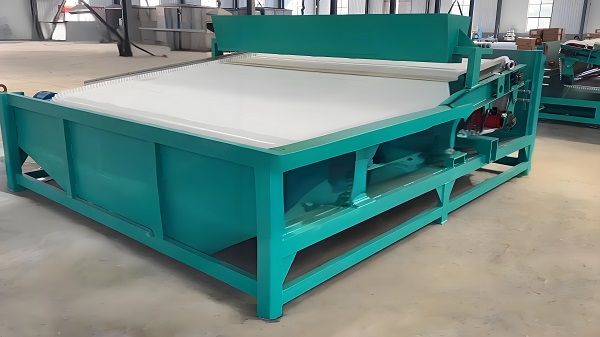
In the wave of industrial intelligentization and green transformation, magnetic separators, as core equipment for separating substances based on magnetic differences, have penetrated into many fields such as mining, environmental protection, and food. From enriching low-grade ore to waste recycling, from equipment protection to product purification, the performance of magnetic separators directly affects production efficiency and resource value. This article, based on the technical characteristics of magnetic separators, systematically sorts out their diverse classification standards and deeply analyzes their core functions in various industries, providing practitioners and researchers with a comprehensive reference for equipment understanding and helping them better realize the application value of magnetic separators. In numerous fields such as mineral processing, environmental treatment, and material purification, magnetic separators, as key equipment utilizing magnetic force to separate substances, have become an indispensable part of the industrial production chain due to their high efficiency and precision. The core working principle of a magnetic separator is based on the differences in magnetic properties between different substances. Under the influence of a magnetic field, magnetic particles are adsorbed and retained, while non-magnetic particles are discharged with the slurry or material flow, thus completing the separation and purification process. With the development of industrial technology, the types of magnetic separators have become increasingly diverse, and their functions have become increasingly sophisticated. This article will provide a comprehensive analysis of magnetic separators from two aspects: classification standards and core functions.
A. Classification of Magnetic Separators: Precise Division Based on Multiple Standards
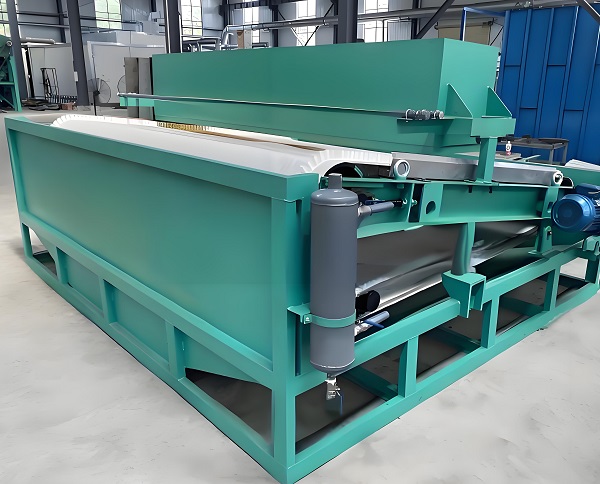
The classification system for magnetic separators is quite extensive. Based on core standards such as magnetic field type, structural form, and application scenarios, they can be divided into multiple categories. Different categories have significant differences in working characteristics and applicable scope. The following are the main classification methods and corresponding types.
1. Classification by Magnetic Field Type: Determining Core Separation Capabilities
The magnetic field is the core driving force behind the separation achieved by magnetic separators. Based on whether the magnetic field changes over time, magnetic separators can be classified into constant magnetic field separators and alternating magnetic field separators, with constant magnetic field separators being the most widely used.
Constant magnetic field separators maintain a stable magnetic field strength and direction, primarily generated by permanent magnets or DC electromagnets. Permanent magnet separators use permanent magnet materials such as neodymium iron boron and strontium ferrite as the magnetic field source, offering advantages such as low energy consumption, simple maintenance, and stable operation. They are suitable for scenarios requiring low to medium magnetic fields, such as iron ore roughing and river sand iron removal. DC electromagnet separators generate a magnetic field by passing direct current through a coil. The magnetic field strength can be flexibly controlled by adjusting the current, adapting to the separation requirements of different magnetic materials. They are widely used in high-precision separation scenarios such as non-ferrous metal ore purification and rare metal recovery, but require continuous power supply during operation, resulting in relatively high energy consumption.
Alternating magnetic field separators generate a magnetic field whose strength and direction change periodically over time, generated by alternating current electromagnets. This magnetic field characteristic causes materials to experience repeated magnetic attraction and repulsion during separation, effectively preventing the agglomeration of magnetic particles. It is suitable for the dispersion and separation of fine-grained magnetic materials, such as iron removal from clay ore and magnetic powder classification. However, due to its relatively poor magnetic field stability, it is less commonly used in large-scale roughing operations.
2. Classification by Structural Form: Adaptable to Different Material Forms
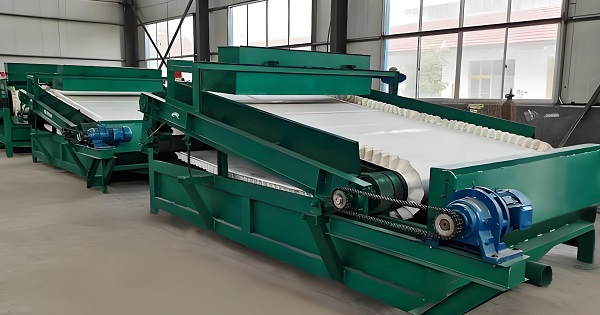
Based on differences in equipment structure and material handling methods, magnetic separators can be classified into various types, including drum type, disc type, cylindrical type, and vertical ring type. Drum type and vertical ring type are the most widely used.
Drum type magnetic separators are the most commonly used type in industrial production. Their core structure consists of a rotating cylinder and a fixed magnetic system. During operation, the slurry enters from below the drum, and magnetic particles are attracted to the drum surface. As the drum rotates to the non-magnetic zone, they detach, while non-magnetic particles are discharged from the tailings outlet. This type of equipment has advantages such as large processing capacity, high separation efficiency, and simple operation, and is widely used in the beneficiation of metal ores such as iron ore and manganese ore, as well as iron removal from building sand and gravel and coal. Depending on the arrangement of the magnetic system, drum magnetic separators can be further divided into co-current, counter-current, and semi-counter-current types. The co-current type is suitable for separating coarse-grained materials, while the counter-current type is more suitable for recovering fine-grained materials.
Vertical ring magnetic separators use a vertical rotating ring as the core separation component. The magnetic system is fixed inside the ring. The slurry enters from the bottom of the equipment. Under the combined action of gravity and magnetic force, magnetic particles are adsorbed onto the toothed plates on the ring surface and discharged with the ring as it rotates. This equipment features a large separation space, thorough recovery of magnetic particles, and strong adaptability to fine-grained materials. It is particularly suitable for separating weakly magnetic minerals such as hematite and limonite, and is widely used in the field of iron ore deep processing.
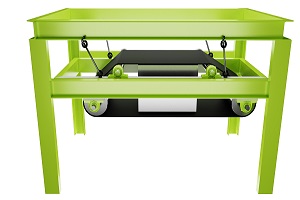
Disc magnetic separators consist of multiple rotating disks. A strong magnetic field is generated on the surface of the disks. Material is evenly distributed below the disks through a feeding device. Magnetic particles are adsorbed onto the disk surface and scraped off by scrapers as the disk rotates to the discharge area. Its compact structure makes it suitable for fine-grained separation of rare metal and non-metal ores, as well as the recovery of magnetic materials from industrial waste. In addition, there are special structural types such as drum magnetic separators and belt magnetic separators, each adapted to different production scenarios. For example, belt magnetic separators are often used for iron removal from large materials.
3. Classification by Application Area: Precisely Matching Industry Needs
The material characteristics and separation requirements vary significantly across different industries. Based on this, magnetic separators can be categorized into mineral sorting magnetic separators, environmental iron removal magnetic separators, and food and pharmaceutical purification magnetic separators.
Mineral sorting magnetic separators are the most widely used category, designed to address the differences in magnetic properties of different minerals. For example, iron ore magnetic separators focus on improving the grade of iron concentrate, manganese ore magnetic separators emphasize manganese recovery efficiency, and non-metallic mineral magnetic separators (such as quartz sand magnetic separators) aim to remove trace magnetic impurities. Environmentally friendly magnetic separators for iron removal are mainly used in industrial wastewater treatment and fly ash treatment from waste incineration. By separating magnetic metal impurities, they achieve waste reduction and resource utilization. Food and pharmaceutical purification magnetic separators, on the other hand, have extremely high requirements for equipment hygiene and separation precision. They are used to remove magnetic contaminants from food raw materials and pharmaceutical intermediates, ensuring product quality and safety.
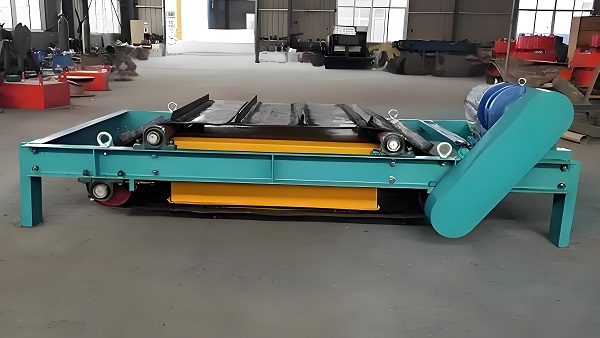
B. The Core Role of Magnetic Separators: Empowering Production Chains Across Multiple Industries
Magnetic separators play a crucial role in the production processes of multiple industries, from raw material purification to waste recycling, from quality control to environmental governance. Their functions cover the entire production process, providing strong support for efficient and green industrial development.
1. Mineral Processing: Core Equipment for Improving Resource Utilization
In the field of mineral processing, magnetic separators are key equipment for achieving mineral enrichment and purification, directly determining the utilization efficiency of mineral resources and the added value of products. Taking iron ore processing as an example, most of my country's iron ore is low-grade, with an iron content of only about 30%. Magnetic separators can remove non-magnetic impurities such as gangue, increasing the iron concentrate grade to over 60%, meeting the raw material requirements of steel production. For weakly magnetic minerals such as hematite and limonite, deep separation using vertical ring-type high-intensity magnetic separators can effectively recover iron, significantly improving the recovery rate of mineral resources.
Magnetic separators play an equally important role in non-metallic mineral processing. Quartz sand is a core raw material for manufacturing glass and semiconductor materials; its purity directly affects product quality. Magnetic separators remove magnetic impurities such as Fe₂O₃ from quartz sand, increasing its purity to over 99.9%, meeting the needs of high-end industries. Furthermore, in the processing of non-metallic minerals such as graphite and kaolin, magnetic separators are used to remove magnetic impurities, improve product whiteness and purity, and expand their application areas.
2. Industrial Iron Removal: Ensuring Equipment Safety and Product Quality
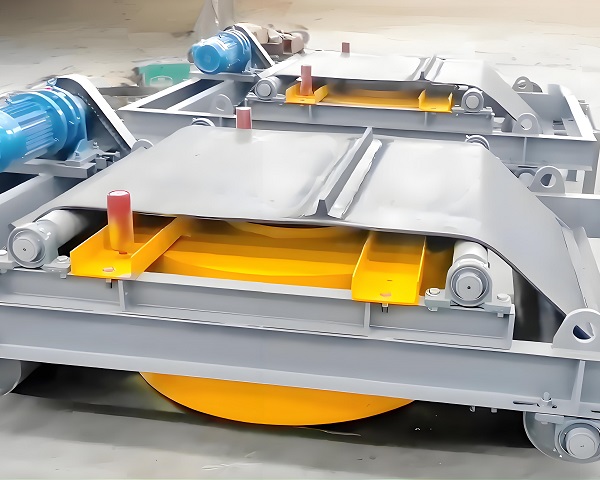
In the production processes of industries such as power, building materials, and chemicals, magnetic metallic impurities mixed in raw materials can seriously damage downstream equipment and affect product quality. Magnetic separators play a crucial role in ensuring stable production by removing iron. In the power industry, magnetic impurities such as iron nails and iron filings mixed in coal, if entering the coal mill, will accelerate equipment wear and reduce equipment lifespan. By installing magnetic separators in the coal conveying system, these impurities can be effectively removed, ensuring the safe operation of critical equipment such as coal mills.
In the building materials industry, during cement production, magnetic impurities in raw materials can affect the strength and stability of cement. Magnetic separators are used to remove magnetic substances from raw materials such as limestone and clay, improving cement product quality. In ceramic production, magnetic separators remove iron impurities from raw materials, preventing defects such as black spots and pinholes in ceramic products, improving product appearance quality and yield. Furthermore, in industries such as plastics and papermaking, magnetic separators are used to remove magnetic impurities from raw materials, ensuring the safety of production equipment and improving product purity.
3. Environmental Governance: Promoting the Resource Utilization of Waste
In the environmental protection field, magnetic separators play a crucial role in waste treatment and resource recycling, contributing to the green development goal of "turning waste into treasure." In waste incineration, fly ash contains a large number of magnetic metal particles. Separating and recovering these metals using magnetic separators not only reduces landfill volume but also enables the recycling of metal resources, reducing resource waste. In industrial wastewater treatment, magnetic separators can separate magnetic flocs from wastewater, improving treatment efficiency. Especially in heavy metal wastewater treatment, magnetic adsorbents bind with heavy metal ions, followed by separation by magnetic separators, achieving efficient removal and recovery of heavy metals.
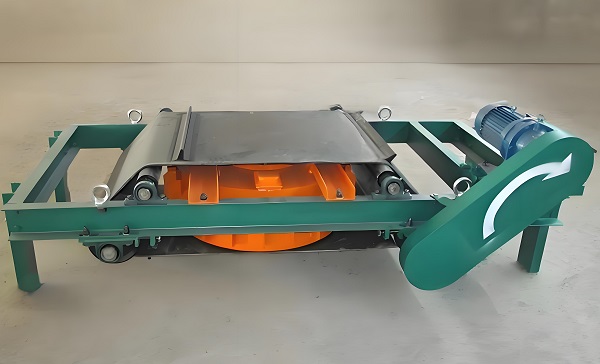
In the field of tailings treatment, mine tailings contain a certain amount of magnetic minerals. Through the separation action of magnetic separators, valuable metals can be recovered, reducing the environmental pressure caused by tailings stockpiles. For example, iron ore tailings, after magnetic separation, can yield iron concentrate, and the tailings slag can be used to produce building materials, achieving full resource utilization of tailings and promoting the green transformation of the mining industry.
4. Specialized Applications: Meeting High-Precision Separation Needs
In fields such as food, pharmaceuticals, and electronics, where extremely high separation precision is required, magnetic separators are used to remove trace magnetic impurities from raw materials, ensuring product safety and performance. In the food industry, raw materials such as flour and starch may contain iron filings generated from equipment wear during production. Magnetic separators remove these magnetic impurities, preventing harm to human health and meeting food hygiene standards. In the pharmaceutical industry, during the production of pharmaceutical intermediates, magnetic impurities can affect drug purity and efficacy. Magnetic separators, as precise separation equipment, ensure the quality and safety of pharmaceutical products.
In the field of electronic materials, the production of rare-earth permanent magnet materials requires extremely high purity. Magnetic separators are used to remove magnetic impurities from rare-earth raw materials, ensuring the magnetic properties of permanent magnet materials. In semiconductor material production, magnetic separators are used to purify silicon raw materials, removing magnetic contaminants to provide high-quality raw materials for semiconductor chip manufacturing.
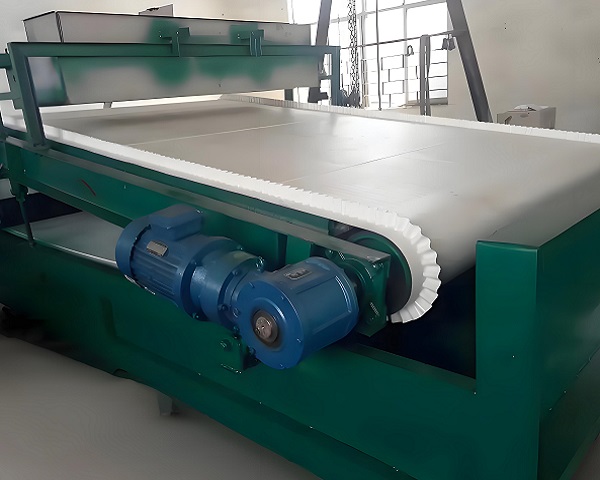
As a key device for separating substances based on magnetic differences, magnetic separators have a rich and diverse classification system. Different types of magnetic separators are adapted to different production scenarios and separation requirements. From resource enrichment in mineral processing to iron removal in industrial production, and resource recycling in environmental protection, magnetic separators play a crucial role in core production processes across multiple industries, providing vital support for improving resource utilization, ensuring production safety, and promoting green development.
With continuous advancements in industrial technology, magnetic separators are evolving towards higher magnetic field strength, higher separation efficiency, and intelligent control. In the future, upgrades to permanent magnet materials will further reduce equipment energy consumption, and intelligent control systems will enable precise regulation of the separation process. Magnetic separators will play a significant role in more emerging fields, such as the purification of new energy materials and the development of space resources, injecting new momentum into the efficient, green, and intelligent development of industrial production.
The classification system of magnetic separators is diverse, based on magnetic field type and structural form, with various types of equipment precisely adapted to different application scenarios. Their functions cover core areas such as mineral purification, industrial iron removal, and environmental recycling, improving resource utilization while ensuring production safety and product quality—making them a powerful "separation tool" in industrial production. Currently, magnetic separators are moving towards higher magnetic fields, higher efficiency, and greater intelligence. In the future, with technological upgrades, their applications in fields such as new energy and space resource development will be further expanded, continuously empowering high-quality industrial development.


Company: Zhengzhou ZhongCheng environmental protection equipment co., LTD

Company address: 36 xueyuan road, Zhengzhou City, Henan Province, China.

Whatsapp:+86-18738194110


Our Email

Our phone
 86-18738194110
 86-18738194110

Save Time! Get A Detailed Quotation Quickly.


 2026-04-22