Consulting
Service
Accumulated waste refers to waste that has been stored in landfills for many years, with mixed components and varying degrees of degradation. This type of waste has a high water content, strong viscosity, and numerous impurities, including bricks, stones, plastics, metals, and humus. Traditional manual sorting and simple screening methods are inefficient and pose significant pollution risks, making them unsuitable for large-scale, harmless, and resource-based disposal. Accumulated waste screening equipment, as core equipment for existing waste management, specifically addresses the pain points of accumulated waste disposal. It boasts core advantages such as strong adaptability, outstanding efficiency, and environmental controllability. It can achieve refined waste classification and promote waste reduction, harmlessness, and resource recovery, making it a key tool for urban ecological restoration and comprehensive landfill management. The following section will elaborate on the core features and multiple functions of this equipment.
A. Core Features of Aged Waste Screening Equipment
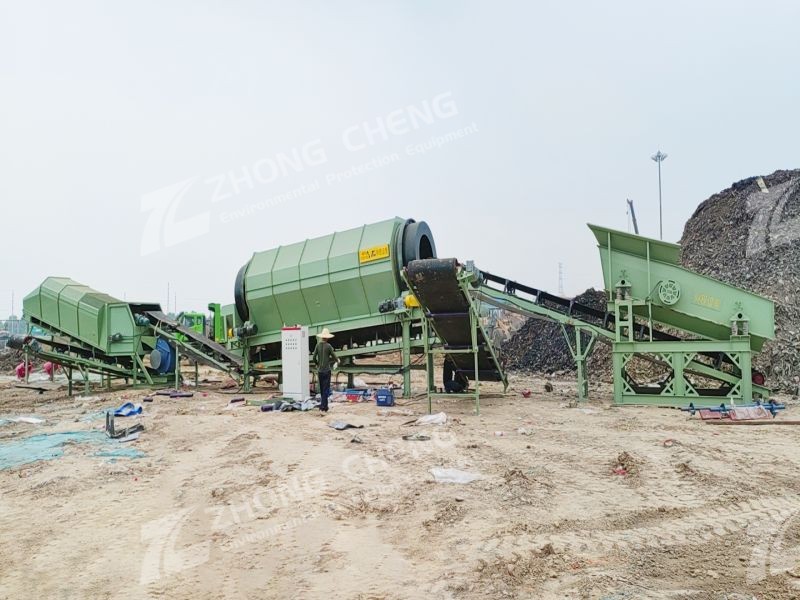
1. High Material Adaptability, Overcoming the Challenges of Wet and Sticky Screening
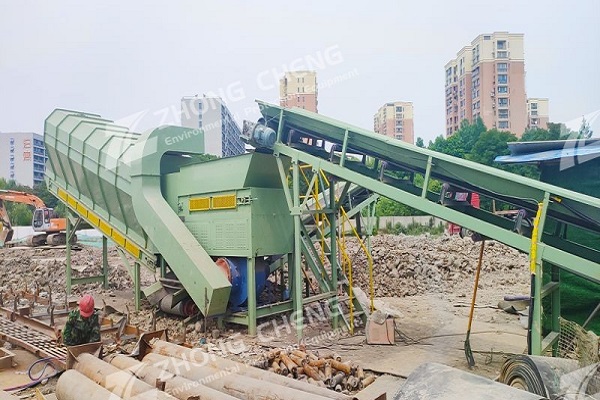
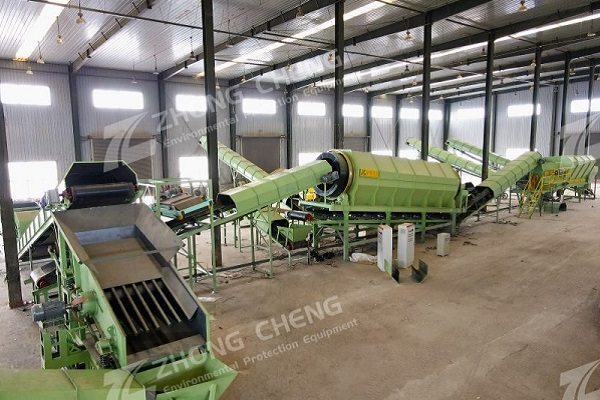
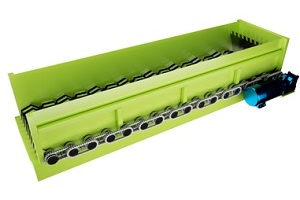
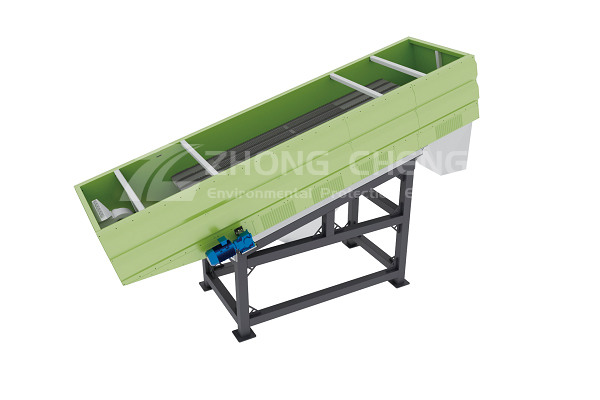
The biggest challenge in handling aged waste lies in its high moisture content and viscosity, easily leading to screen clogging, material adhesion, and material jamming. Ordinary screening equipment simply cannot operate stably. This type of equipment features a specifically optimized screening structure. Mainstream models employ specialized screening units such as tension screens, double-layer bar screens, and drum screens, combined with a flexible polyurethane screen surface and wear-resistant bar design. The screen surface can achieve dynamic tension and high-frequency vibration, thoroughly loosening clumps of waste and achieving self-cleaning through screen surface expansion and contraction, eliminating clogging at its source. Simultaneously, the equipment can flexibly adapt to aged waste with different levels of degradation and different compositions. Whether it's moist humus, lumpy debris, or mixed waste containing fine impurities, it maintains efficient screening. A single machine can process 30-250 tons/hour, perfectly meeting the large-scale disposal needs of landfill stockpiles.
2. High-precision grading and screening, finer material sorting
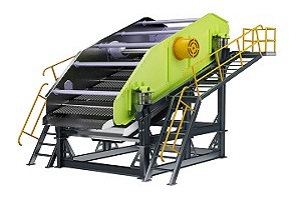
Unlike single-stage screening equipment, aged waste screening equipment typically employs a multi-stage stepped screening structure, combining multiple processes such as large-item screening, coarse-fine grading, and light-heavy sorting. It can finely separate waste according to particle size, material, and density, achieving a grading accuracy rate of over 90%. The equipment usually features multiple screen surfaces, accurately separating oversized waste, coarse aggregate, fine soil and stone, humus, and lightweight combustibles, avoiding resource waste and secondary pollution caused by mixed disposal. Some high-end models are equipped with a PLC intelligent central control system and industrial camera monitoring module, which can monitor the screening status in real time and automatically adjust parameters such as vibration frequency and feed speed to further improve screening accuracy and ensure the purity of various materials, laying a solid foundation for subsequent resource utilization.
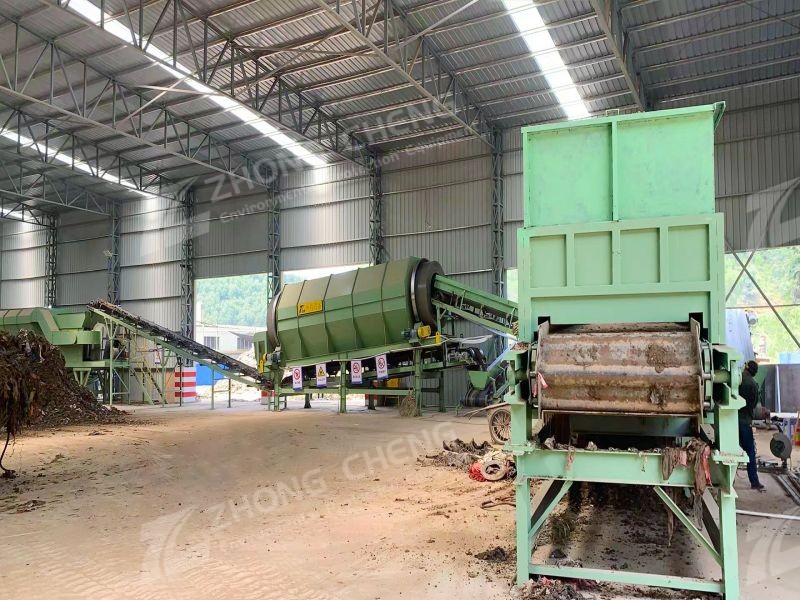
3. Durable and impact-resistant structure, stable operation and low failure rate
Aged waste contains hard debris such as bricks, stones, and metals, resulting in strong impact during screening, requiring extremely high equipment durability. This type of equipment is constructed primarily of thickened, wear-resistant steel. Key components such as the screen plate, vibrator, and transmission parts undergo wear-resistant and impact-resistant treatment. The upper screen surface can withstand heavy impacts and handles hard debris with ease. Simultaneously, the equipment features an optimized transmission structure and anti-tangling design, equipped with bag-breaking and material-releasing auxiliary devices to prevent flexible debris such as plastic bags and cloth strips from tangling with the equipment, reducing downtime for maintenance. The machine boasts strong sealing, low operating noise, and can achieve continuous and stable operation 24 hours a day, significantly improving processing efficiency and reducing maintenance costs.
4. High level of intelligence and excellent environmental performance: Modern aged waste screening equipment integrates automation and intelligent technologies, achieving fully automated control of the feeding, screening, conveying, and discharging process. Only a small number of personnel are required for operation, reducing labor intensity and safety risks. To address dust and odor pollution during the waste screening process, the equipment is equipped with environmental protection devices such as sealed dust covers, spray dust suppression, and negative pressure deodorization. The entire process is conducted in a closed system, effectively suppressing dust diffusion, reducing odor emissions, and preventing secondary pollution to surrounding soil, water sources, and air. Some mobile screening equipment uses a tracked chassis, requiring no infrastructure construction and allowing for flexible relocation and deployment. It is suitable for various scenarios such as landfills and temporary disposal sites, combining flexibility and environmental friendliness.
B. Core Functions of Aged Waste Screening Equipment
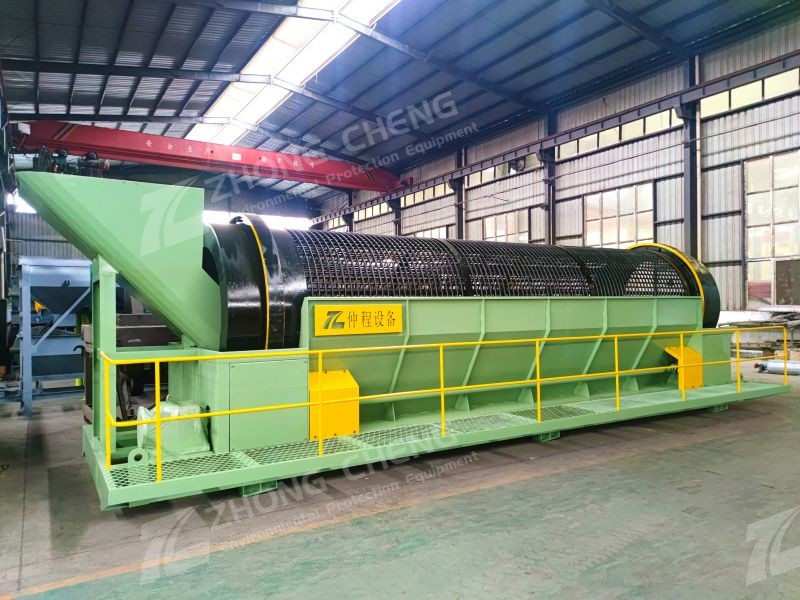
1. Achieving Waste Reduction and Freeing Up Landfill Capacity
Landfilling existing aged waste occupies a large amount of land resources, exacerbating urban land scarcity. Waste reduction is the primary goal of waste disposal. Aged waste screening equipment, through refined grading, separates inert materials and humus from recyclable and combustible materials in the waste. After removing recyclable components, the volume of the remaining inert residue is significantly reduced, with a reduction rate of over 60%. 1. After screening and treatment, inert materials can be backfilled in a standardized manner, significantly reducing landfill space and effectively restoring landfill capacity. In some landfills, the capacity restoration rate can reach over 70% after treatment, alleviating urban waste landfill pressure and achieving the recycling of land resources.
2. Promoting the harmless treatment of waste and eliminating environmental safety hazards. Long-term landfilled waste easily breeds bacteria and emits foul odors. Leachate can also pollute soil and groundwater, threatening the surrounding ecological environment and residents' health. This equipment, through closed and standardized screening and treatment, thoroughly breaks up clumps of waste, blocking the breeding ground for pathogens. Combined with measures such as dust suppression spraying and negative pressure deodorization, it effectively controls odor and dust pollution. Simultaneously, the screening process can separate heavy metals and harmful impurities from the waste, preventing their spread with leachate and reducing the pollution load at the source. After screening and treatment, harmful substances in the waste are effectively controlled, completely eliminating environmental safety hazards of landfills, improving the surrounding ecological quality, and contributing to urban ecological restoration.
3. Unlocking Resource Utilization Value and Promoting Resource Recycling
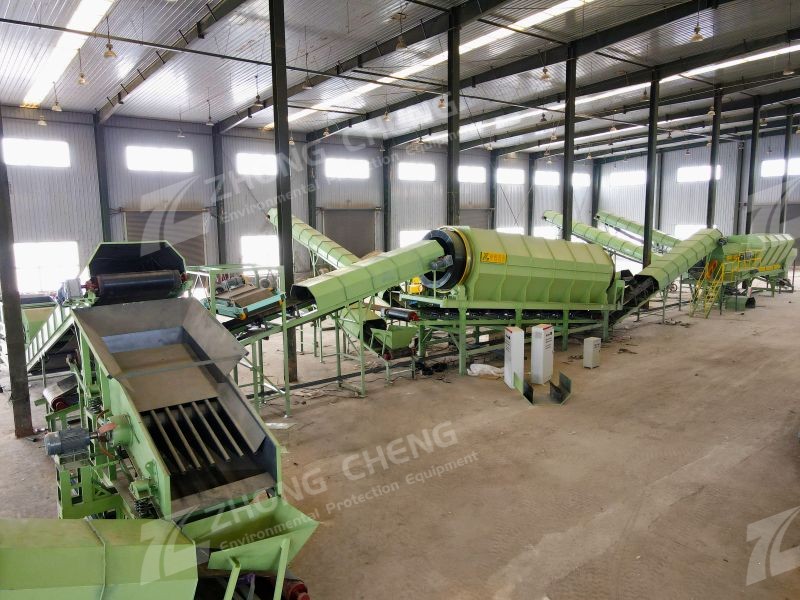
Aged waste is not entirely without value; it contains a large amount of recyclable and usable resources. Screening equipment is a core prerequisite for resource utilization. Through precise screening, recyclable materials such as metals and plastics can be separated and, after purification, can be reintroduced into the recycling system. The separated lightweight combustibles can be processed into waste-derived fuel (RDF) for incineration power generation, achieving energy recovery. The screened humus, after harmless treatment, can be used as an organic substrate for landscaping and soil improvement, replacing natural soil. Coarse aggregates such as bricks, tiles, and stones can be crushed and processed for road paving and building material production, turning waste into treasure. Relying on the refined sorting capabilities of screening equipment significantly improves the resource utilization rate of aged waste, practices the concept of a circular economy, and reduces the consumption of primary resources.
4. Simplifying Subsequent Disposal Processes and Reducing Overall Disposal Costs
Unscreened mixed aged waste has a complex composition, making subsequent incineration, landfill, and resource recovery difficult, costly, and inefficient. Screening equipment pre-classifies and categorizes waste, enabling materials to be "separately classified." Each type of material can then be selected for optimal disposal: centralized incineration of combustibles, resource utilization of humus, and standardized landfilling of inert materials, avoiding process compatibility issues arising from mixed disposal. Simultaneously, refined screening reduces the amount of material requiring subsequent disposal, lowering incineration energy consumption, landfill space requirements, and labor costs, thus improving overall disposal efficiency. Furthermore, resource-based products can generate economic benefits, further offsetting disposal expenses and achieving a win-win situation for both environmental and economic benefits.
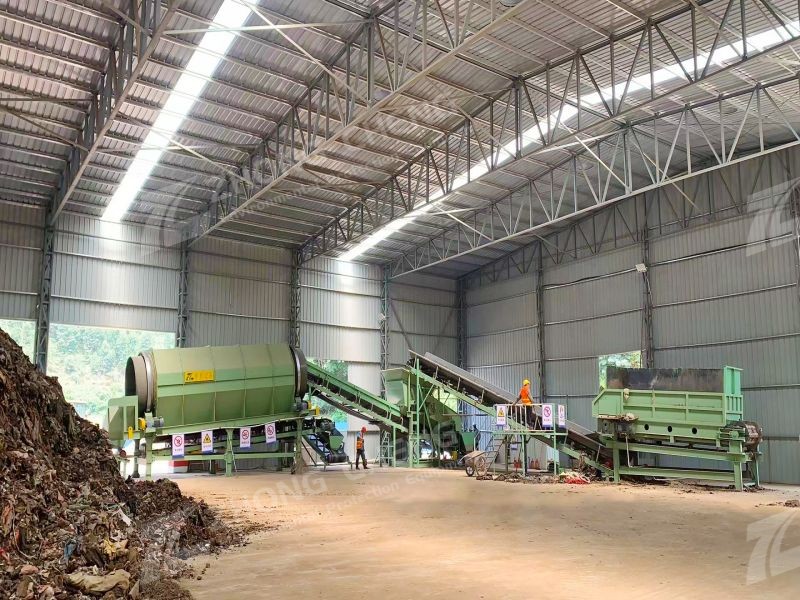
5. Supporting Existing Waste Management and Meeting Environmental Policy Requirements
With increasingly stringent ecological and environmental policies, the comprehensive management of existing landfills has become a key task in urban environmental protection. As core disposal equipment, aged waste screening equipment provides technical support for zero-waste disposal and ecological restoration of landfills, helping various regions implement policies such as zero-waste city construction and waste resource utilization. Large-scale disposal of aged waste effectively addresses historical waste pollution problems, improves the urban and rural living environment, and promotes the transformation of urban waste disposal systems from "simple landfill" to "reduction, harmlessness, and resource recovery," thus contributing to green and low-carbon development.
Aged waste screening equipment, with its superior material adaptability, high-precision screening capabilities, stable and durable operation, and outstanding environmental advantages, has become core equipment for managing existing waste. It not only efficiently solves the challenges of aged waste disposal, achieving waste reduction and harmless treatment, but also deeply explores resource value, reduces disposal costs, and contributes to urban ecological restoration and the development of a circular economy. Against the backdrop of continuously upgrading waste management needs, optimizing and upgrading aged waste screening equipment and promoting standardized screening and disposal processes are of significant practical importance for improving urban waste management and protecting the ecological environment.


Company: Zhengzhou ZhongCheng environmental protection equipment co., LTD

Company address: 36 xueyuan road, Zhengzhou City, Henan Province, China.

Whatsapp:+86-18738194110


Our Email

Our phone
 86-18738194110
 86-18738194110

Save Time! Get A Detailed Quotation Quickly.


 2026-04-22