Consulting
Service
Screening efficiency is a critical metric for evaluating the core performance of waste screening equipment; it directly determines the degree of refinement in solid waste processing, the rate of resource recovery, and the overall operational profitability of the entire production line. Faced with the complex challenges of screening diverse materials—such as municipal solid waste, kitchen waste, and construction debris—Zhongcheng leverages years of accumulated technical expertise and practical field experience. By focusing on multiple fronts—including customized equipment selection, structural optimization and upgrades, operational maintenance management, and the integration of complementary processes—we specifically address common industry ailments such as material clogging, screen leakage, and incomplete separation. This comprehensive approach significantly enhances both the operational efficiency and screening precision of our equipment, empowering clients to achieve highly efficient, stable, and cost-effective solid waste screening operations.
1. Precise Equipment Selection Tailored to Materials: Building a Foundation for Screening Efficiency at the Source
Waste streams are characterized by their complex composition and highly variable properties; materials ranging from wet and sticky substances to lightweight debris, high-impurity mixtures, and hard, dense objects each require vastly different types of screening equipment. Blindly selecting equipment without proper analysis can easily lead to low screening efficiency and failure to meet material processing standards. Zhongcheng strictly adheres to the selection principle of "one material, one strategy—customization on demand." We begin by conducting an in-depth analysis of the specific material's characteristics, and only then do we match it with a dedicated equipment solution, thereby eliminating potential efficiency losses caused by selection errors right at the source.
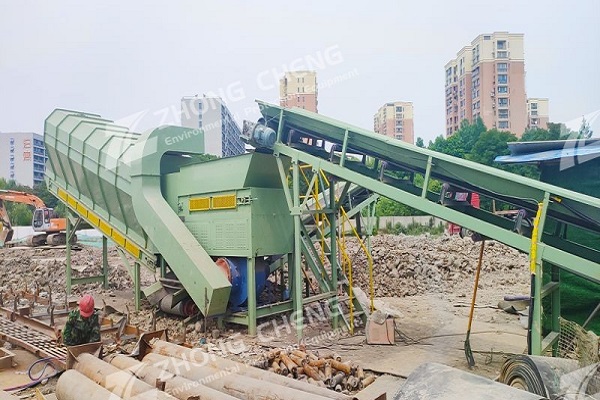
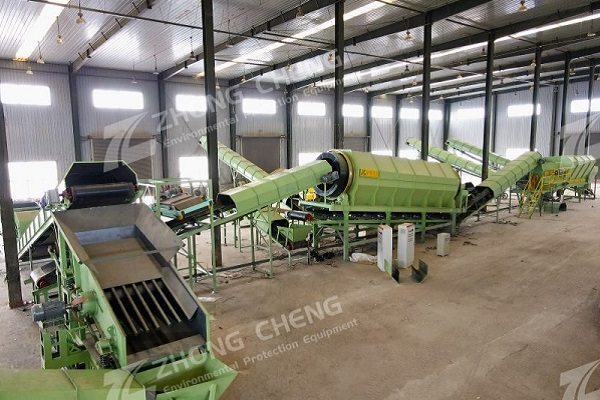
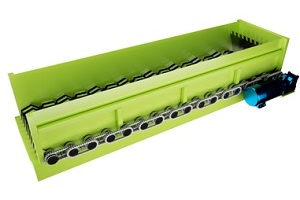
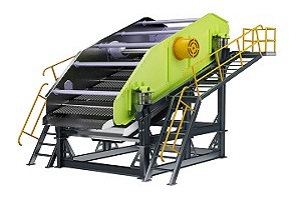
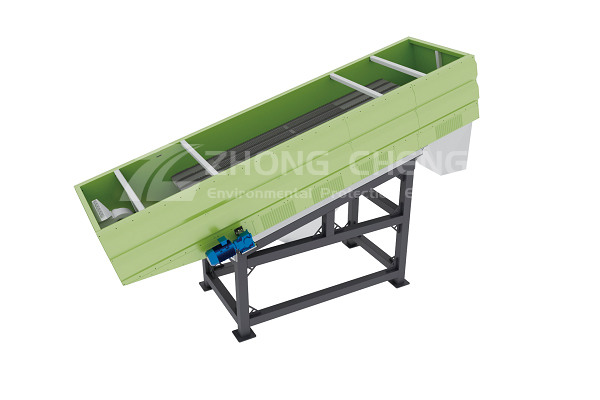
For mixed municipal solid waste—a stream characterized by its chaotic composition and propensity for tangling and clogging—Zhongcheng primarily recommends a combined solution featuring a trommel screen and a disc screen. The trommel screen provides a coarse-screening function with large apertures, allowing for the rapid separation of bulky debris, plastic bags, and other tangling materials, thereby reducing the processing load on subsequent screening stages. The disc screen, utilizing a flexible disc structure, effectively prevents wet and sticky materials from adhering and causing blockages, enabling the precise classification of coarse and fine fractions. For materials such as kitchen waste—which feature high moisture content and high viscosity—we recommend a combination of a ballistic separator and an air separator. The high-frequency vibration characteristics of the ballistic separator serve to break apart sticky clumps, while the air separator further separates lightweight organic matter from heavier inorganic materials, resulting in a substantial improvement in both screening purity and overall efficiency. For materials such as construction waste—characterized by high hardness and a high impurity content—we employ heavy-duty, wear-resistant screening equipment. This is paired with adjustable screen meshes to accommodate the screening requirements of aggregates with varying particle sizes, thereby preventing screening bottlenecks caused by uneven material fragmentation.
Based on the client's processing scale, site conditions, and precision screening requirements, Zhongcheng customizes equipment specifications and processing capacities. Ranging from small-scale mobile units to large-scale stationary production lines, parameters such as mesh aperture size, transmission speed, and feeding method can be flexibly adjusted. This ensures a high degree of compatibility between the equipment, the materials being processed, and the specific operating conditions, thereby eliminating the inefficiency of "overkill" (using oversized equipment for small tasks) or "under-capacity" (using undersized equipment for large tasks), and enabling every piece of equipment to deliver optimal screening performance.
2. Optimized Core Structure: Eliminating Clogging and Jamming to Boost Operational Efficiency
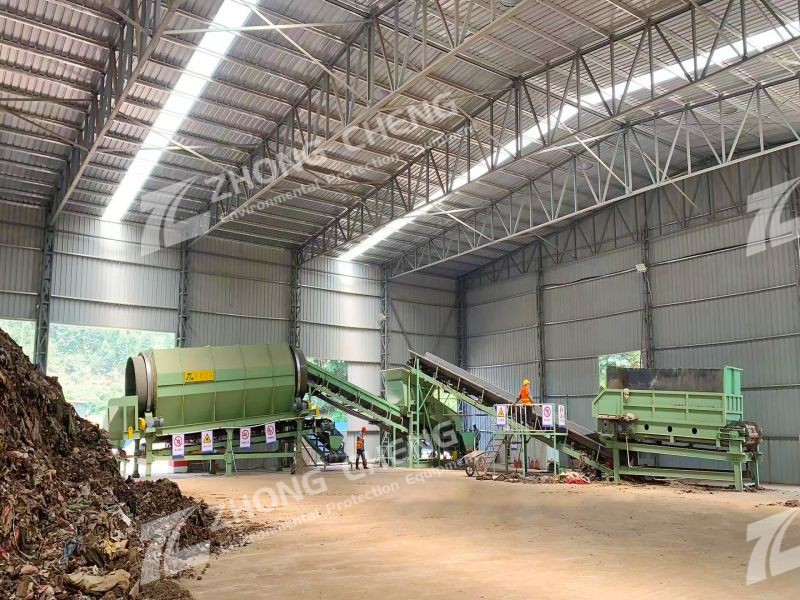
Traditional waste screening equipment often suffers from structural design flaws, leading to issues such as screen mesh clogging, bearing seizure, and transmission irregularities. These problems not only diminish screening efficiency but also increase the frequency of downtime for maintenance and repairs. Zhongcheng is deeply committed to equipment R&D; by targeting key industry pain points and optimizing core structural components, we leverage technological upgrades to break through efficiency bottlenecks and ensure the continuous, high-efficiency operation of our equipment.
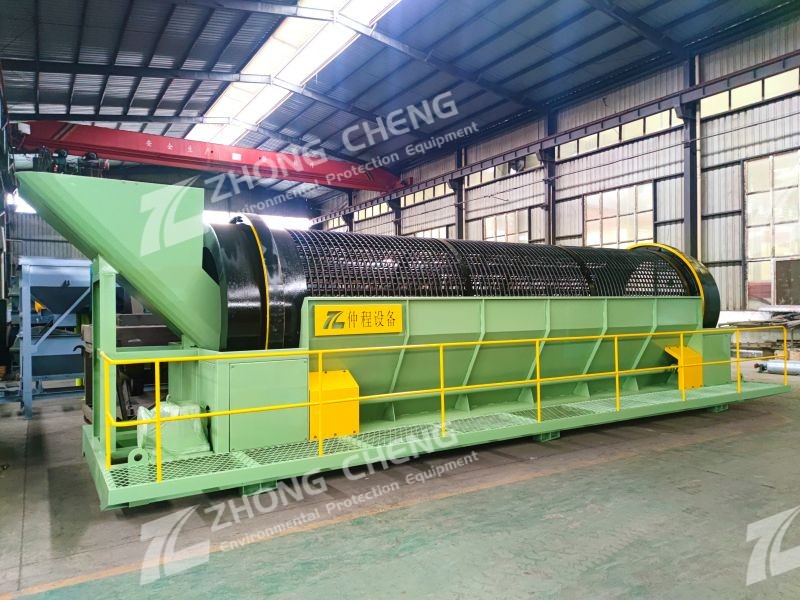
Regarding screen structure optimization, Zhongcheng moves away from traditional fixed-mesh designs, adopting instead highly wear-resistant, adjustable stainless steel screens. These are paired with a self-cleaning comb-tooth mechanism that automatically clears wet, sticky materials and fine impurities adhering to the mesh apertures during operation, thereby fundamentally resolving the issue of screen clogging and ensuring unimpeded material flow. Furthermore, to address materials prone to entanglement, we have optimized the screen spacing and feed-guidance structures to minimize the risk of debris—such as plastic bags and fabric strips—becoming entangled in the equipment's components, thereby reducing the likelihood of operational jamming. Regarding transmission system optimization, we utilize high-torque variable-frequency motors and precision transmission components, integrated with an intelligent speed-control system. This system allows for the flexible adjustment of vibration frequency and operating speed based on the moisture content of the material and the feed volume, thereby preventing incomplete screening caused by excessive feed rates, as well as capacity waste caused by insufficient feed rates. Zhongcheng Equipment features a thickened and reinforced machine body structure with an optimized center-of-gravity design. This minimizes vibration and noise during operation, thereby enhancing operational stability. For harsh working environments, the equipment is fitted with fully enclosed dustproof and waterproof enclosures to shield core components from dust and moisture ingress. This reduces component wear and the incidence of mechanical failure, ensuring the equipment maintains a state of high-efficiency operation over the long term, with screening efficiency consistently remaining at the forefront of the industry.
2. Refined O&M Management: Ensuring Long-Term Screening Efficiency Stability**
Equipment screening efficiency depends not only on hardware performance but also—critically—on refined operation and maintenance (O&M) management. Standardized routine maintenance and timely troubleshooting effectively extend the equipment's service life and continuously safeguard screening efficiency. Leveraging a comprehensive after-sales service system, Zhongcheng provides clients with end-to-end O&M guidance, assisting them in establishing standardized O&M protocols to uphold baseline screening efficiency standards.
At the level of routine O&M, Zhongcheng develops customized equipment maintenance manuals for clients. These manuals clearly define the schedules and standards for screen cleaning, bearing lubrication, and component inspection. They guide operators in conducting pre-shift checks and post-shift cleanup—specifically, the timely removal of residual material from screens and the tightening of loose components—to prevent minor issues from escalating into major mechanical failures. Regarding wear parts, a periodic replacement mechanism is established; common spares—such as screens and bearings—are stockpiled in advance to prevent downtime and production stoppages caused by missing parts, thereby ensuring continuous equipment operation.
In terms of intelligent O&M, Zhongcheng’s high-end screening equipment is equipped with an intelligent monitoring system. This system monitors operational parameters—such as temperature, vibration frequency, and feed rate—in real time. Upon detecting any anomalies, it triggers an automatic alert, enabling staff to quickly troubleshoot issues and minimize downtime. Additionally, the system automatically logs operational data, assisting clients in analyzing equipment status, optimizing operating parameters, and further boosting screening efficiency. Furthermore, Zhongcheng’s technical team conducts regular on-site inspections to perform comprehensive equipment diagnostics and maintenance, promptly addressing any declines in efficiency to ensure the equipment consistently delivers high screening efficiency over the long term.
3. Synergistic Ancillary Processes: Maximizing Overall Screening Performance
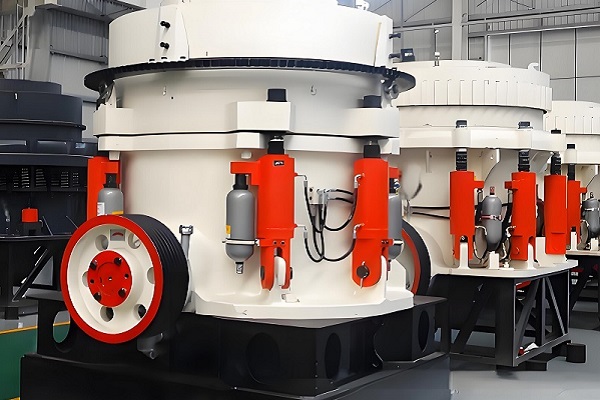
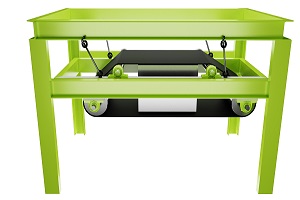
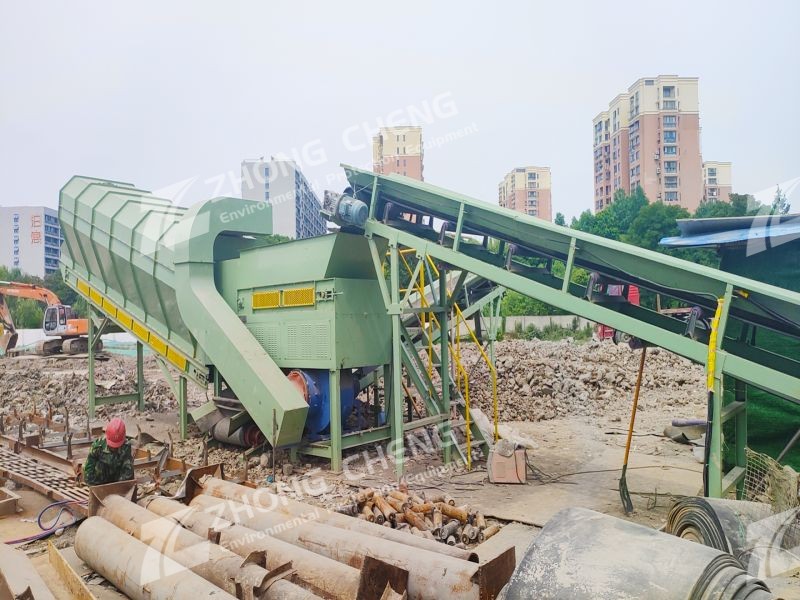
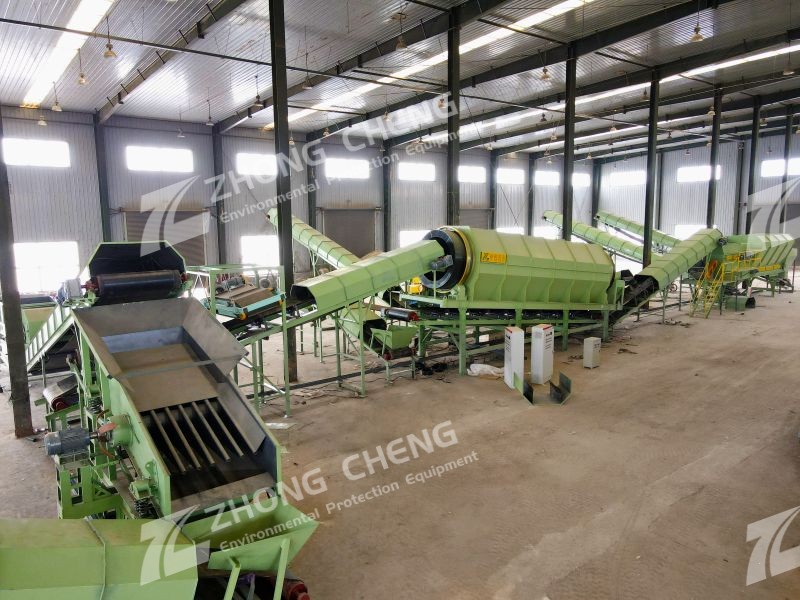
A single screening unit alone can rarely achieve peak efficiency. By optimizing ancillary processes and engineering integrated screening production lines, Zhongcheng enables the synergistic operation of multiple units, thereby amplifying screening performance and significantly enhancing overall processing efficiency. To address the challenges of processing complex waste, we have established an integrated "crushing + screening + sorting" workflow. This process begins with the use of crushing equipment to reduce large-sized materials into finer particles, thereby simplifying the subsequent screening stage. Next, multi-stage screening equipment is employed to classify the materials, enabling the precise separation of particles based on their varying sizes. Finally, the system incorporates equipment such as magnetic separators and eddy current separators to extract recyclable materials—such as metals and plastics—thereby creating a complete, closed-loop operational cycle.
This collaborative operational model not only minimizes material transfer steps and boosts processing capacity but also refines the screening process to enhance precision, thereby preventing efficiency losses caused by material cross-contamination. Zhongcheng has further optimized the feeding and discharge systems by implementing a uniform feeding device. This ensures that materials are distributed evenly across the screen surface at a consistent rate, preventing localized material accumulation that could compromise screening effectiveness. By eliminating "dead zones" in the screening process, we comprehensively boost the overall efficiency of the equipment, empowering our clients to achieve the efficient, practical implementation of solid waste management strategies focused on reduction, resource recovery, and harmless disposal.


Company: Zhengzhou ZhongCheng environmental protection equipment co., LTD

Company address: 36 xueyuan road, Zhengzhou City, Henan Province, China.

Whatsapp:+86-18738194110


Our Email

Our phone
 86-18738194110
 86-18738194110

Save Time! Get A Detailed Quotation Quickly.


 2026-04-22