Consulting
Service
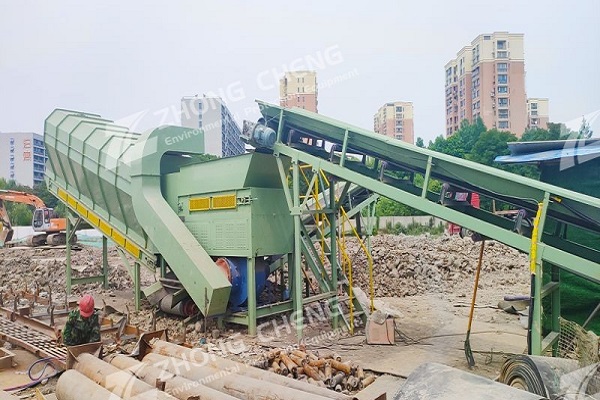
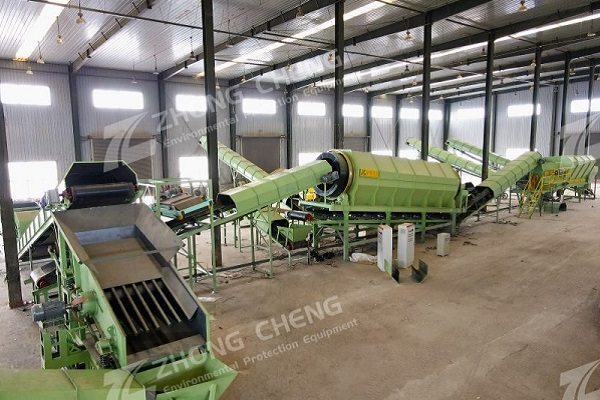
Construction waste crushing systems are core equipment for the resource utilization of construction waste. Unlike simple screening systems, they focus on "crushing and volume reduction + grading and purification + resource regeneration," processing various types of construction waste, including concrete blocks, bricks, mortar blocks, waste stone, and reinforced concrete, from large raw materials to qualified recycled aggregates. The entire system is not a collection of individual pieces of equipment, but rather comprises six core modules: pre-treatment feeding, core crushing, screening and grading, sorting and impurity removal, conveying and transfer, and environmental and electrical control. Each module works collaboratively, performing its specific function while balancing processing efficiency, finished aggregate quality, and production compliance. It is adaptable to different scenarios, including fixed disposal sites and mobile on-site processing. The following section, based on mainstream process configurations, details the system's machine structure and key practical points.
1. Feed Pretreatment Module: Stabilizing Flow and Controlling Impurities, Protecting Downstream Equipment
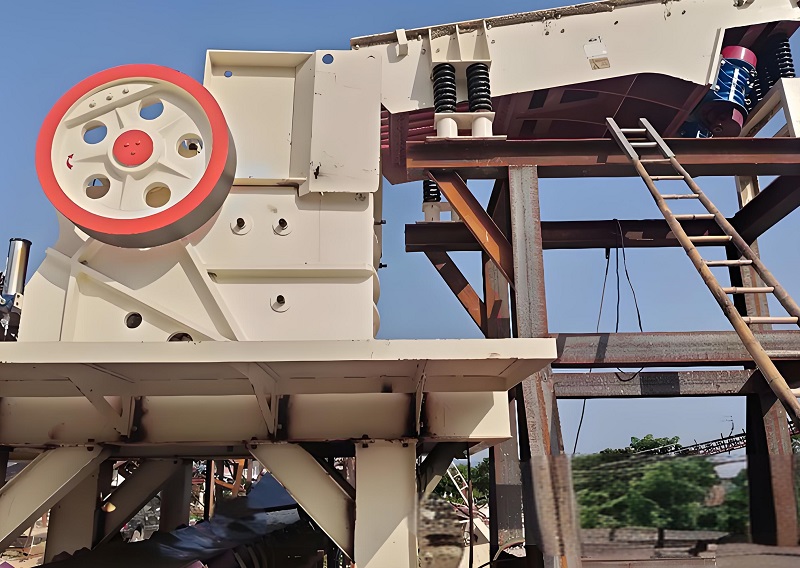
Feed pretreatment is the first step in the crushing system. Its core function is to achieve uniform material conveying, pre-removing oversized debris and rigid foreign objects, preventing large pieces of construction waste, clumps of rebar, and hard debris from clogging or damaging the crushing host, and ensuring continuous and stable operation of subsequent processes. It is key to extending system lifespan and reducing failure rates. This module mainly includes two core pieces of equipment, adaptable to different raw material characteristics and processing scales.
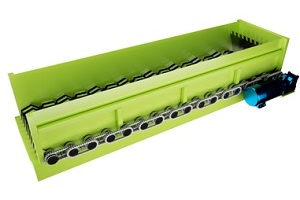
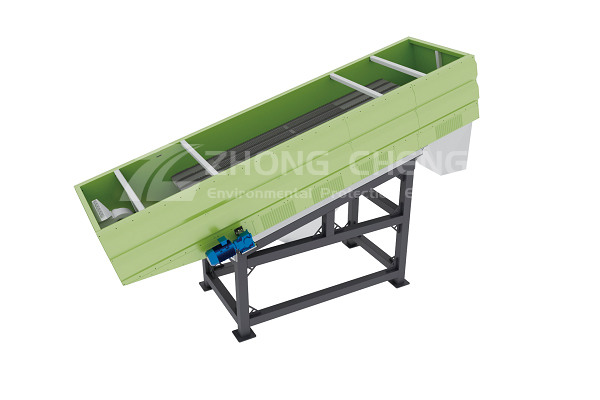
One is the heavy-duty plate feeder, a standard feeding device in large and medium-sized crushing production lines. It is suitable for large pieces of construction waste with a particle size ≤1200mm. Adopting a wear-resistant manganese steel chain plate structure, it has strong load-bearing capacity and excellent impact resistance. It can directly accept mixed raw materials fed by a loader. The feeding speed is precisely controlled by a speed-regulating motor to achieve quantitative and uniform feeding, eliminating material accumulation or material shortage problems. The processing capacity covers 80-300t/h, and it is compatible with various stationary crushing production lines. The second type is the bar vibrating feeder, which combines feeding and primary screening functions. The bar spacing is flexibly adjustable, allowing for the early screening of fine impurities such as soil and sand from the raw materials, reducing the load on subsequent crushing and screening. It is suitable for construction and demolition waste with high soil content and uneven particle size. With a simple safety railing, it can prevent long steel bars and large pieces of debris from slipping, optimizing the feeding process.
2. Core Crushing Module: Volume Reduction and Shaping, Achieving Coarse and Fine Crushing of Aggregates
The core crushing module is the "heart" of the entire system, directly determining the crushing effect of construction waste and the forming quality of recycled aggregates. Based on the crushing process, it is divided into coarse crushing and medium/fine crushing stages. Large pieces of construction waste are crushed stage by stage, processing them into semi-finished aggregates that meet the particle size requirements. The mainstream configuration adopts a two-stage crushing process, balancing crushing efficiency and finished particle shape.
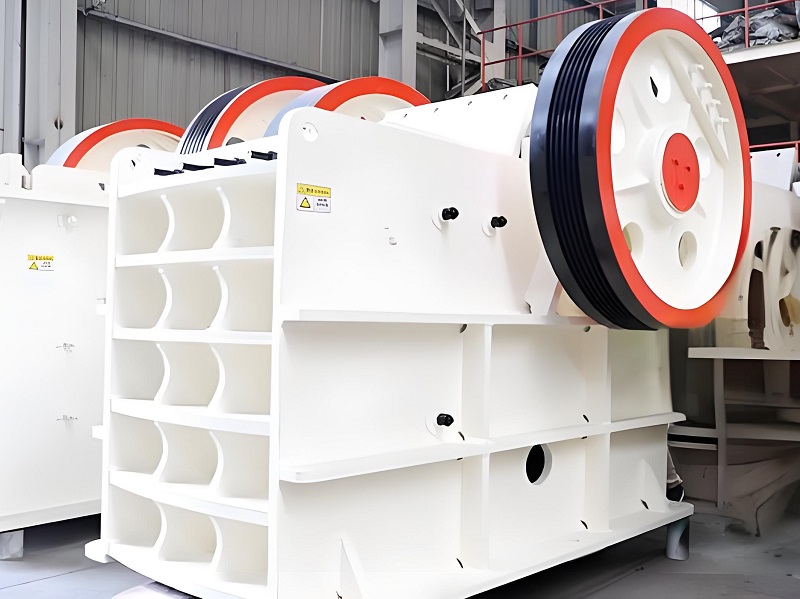
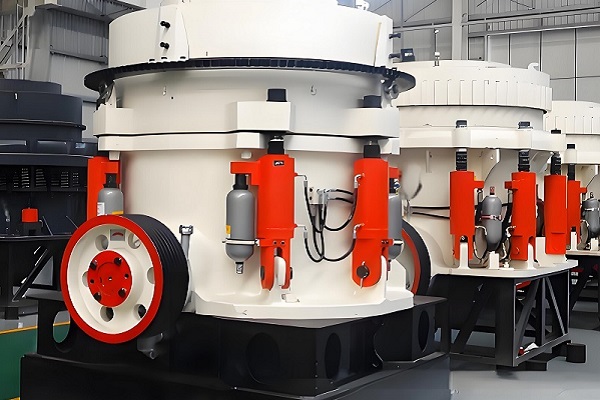
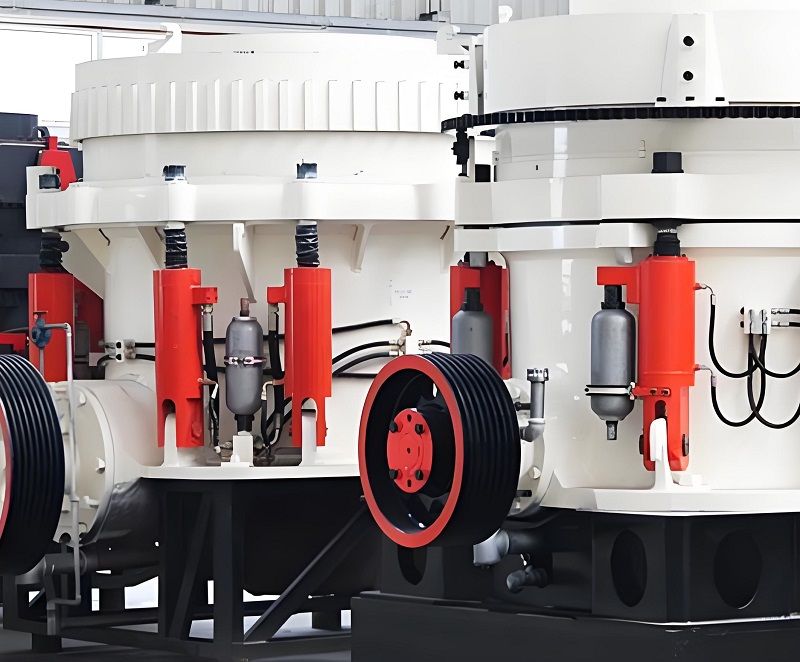
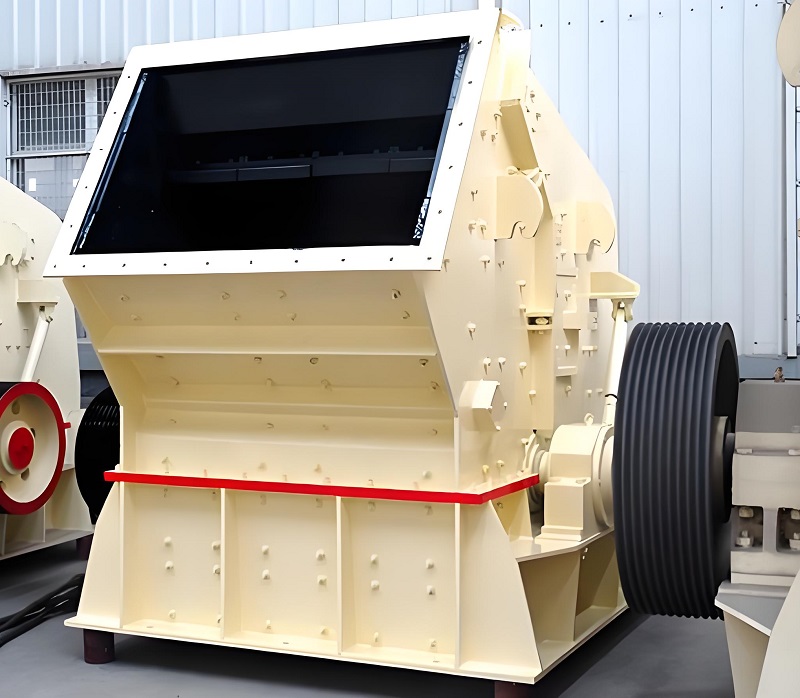
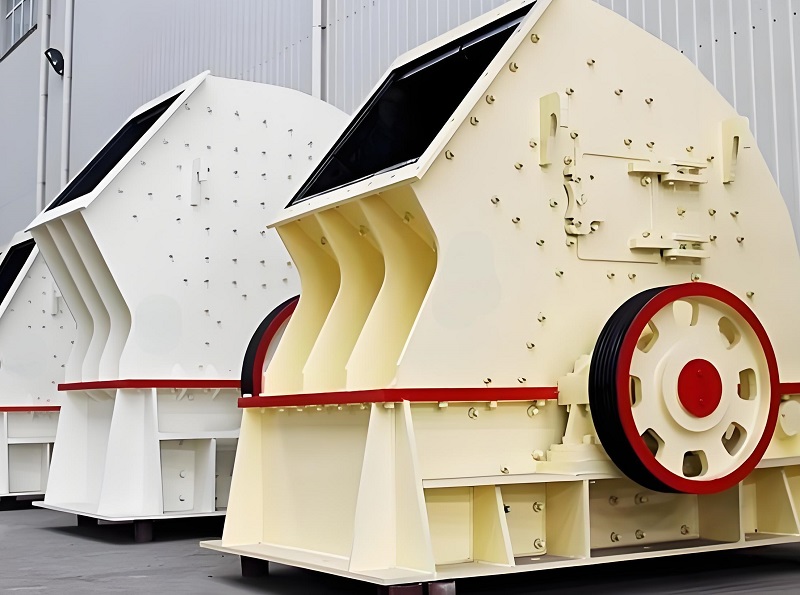
Jaw crushers are the preferred choice for primary crushing. As the main crushing unit, they are suitable for the initial crushing of large pieces of construction waste. Utilizing the reciprocating squeezing action of the moving and stationary jaws, they can crush large materials with a particle size of 1000-1200mm to 200-400mm. They have the advantages of large crushing ratio, robust structure, low failure rate, and easy maintenance. They are suitable for various types of hard construction waste and can stably crush even reinforced concrete blocks without serious jamming problems. They are an essential primary crushing equipment for construction waste. In the medium and fine crushing stage, impact crushers or cone crushers are often used. Impact crushers are more suitable for medium-hard materials such as ordinary concrete and bricks. Crushing is achieved through the impact of hammers and the collision of impact plates, resulting in aggregates with regular particle shape, free of needles and flaky parts, and of high quality. They can crush materials to 30-80mm, meeting the basic particle size requirements for recycled aggregates. Cone crushers are suitable for harder waste rock and high-strength concrete blocks. They employ a layered crushing principle, exhibiting strong wear resistance and stable operation, making them suitable for the fine crushing of high-capacity, high-hardness materials, and suitable for large-scale resource recovery projects.
3. Screening and Grading Module: Particle Size Control and Separation of Qualified Recycled Aggregates The screening and grading module connects to the crushing process, accurately grading the semi-finished aggregates after crushing. It removes oversized particles, separates qualified recycled aggregates of different particle sizes, and simultaneously returns oversized particles to the main crusher for secondary processing, forming a closed-loop cycle and improving raw material utilization and finished product qualification rate. The selection of equipment in this module directly affects the uniformity of recycled aggregate specifications, with high-efficiency screening equipment being the mainstream configuration.
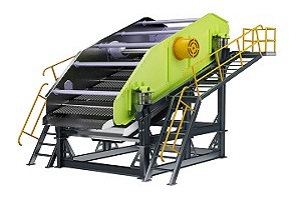
The core equipment is a multi-layer circular vibrating screen, the mainstream screening model in stationary crushing production lines. It adopts a double eccentric shaft excitation structure, ensuring stable vibration trajectory and high screening efficiency. Double, triple, or four layers of screens can be configured according to finished product requirements, with flexible adjustment of screen aperture specifications. Typically, it is divided into four particle size grades: 0-5mm, 5-10mm, 10-20mm, and 20-31.5mm, separating multiple specifications of recycled aggregate in one pass. The screens are made of wear-resistant polyurethane or high-manganese steel, resisting clogging, wear, and offering a long service life. For mobile crushing systems, mobile drum screens are often used, employing a shaftless drum design to avoid steel bars and fabric strips entangled in the screen body. This results in low operating noise, simple maintenance, and suitability for simple screening operations at demolition sites. It can flexibly follow the crushing host, achieving in-situ screening and on-site discharge. Some advanced production lines are also equipped with probability screens for efficient screening of fine powders, solving the problem of clogging in traditional screens and improving the purity of fine aggregates.
4. Sorting and Impurity Removal Module: Deep Purification to Improve the Quality of Recycled Aggregates
Construction waste often contains impurities such as reinforcing bars, wires, plastics, sawdust, and rags. If these are not thoroughly removed, they will significantly reduce the quality of recycled aggregates and affect subsequent recycled building material production. Therefore, the sorting and impurity removal module is crucial for improving the purity of the finished product. Based on physical sorting principles, it achieves efficient separation of metals, lightweight materials, and aggregates. The core equipment includes two main categories: magnetic separation and air separation.
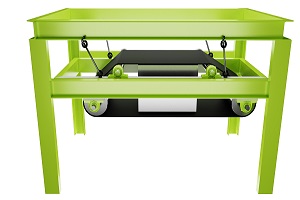
Magnetic separation equipment is mainly divided into suspended permanent magnet separators and drum magnetic separators. Suspended separators are installed above the crushing discharge or conveyor belt, using a high-strength magnetic field to adsorb ferromagnetic impurities such as steel bars, nails, and wires from the material. An automatic iron unloading device collects the impurities, achieving an iron removal efficiency of over 98%, effectively preventing impurities from damaging subsequent screening equipment. Drum magnetic separators have embedded strong magnetic drums; as material passes through, iron impurities are adsorbed and separated with the drum's rotation, precisely removing trace amounts of iron filings from fine aggregates, suitable for refined purification needs. Air separation equipment is a negative pressure air separator, utilizing the difference in airflow settling velocity to separate lightweight impurities such as plastics, paper, wood chips, and cloth strips. Negative pressure suction collects the lightweight materials into a storage bin, achieving a light impurity removal rate of over 90%, significantly reducing the impurity content of recycled aggregates, suitable for crushing and processing materials with high impurity content, such as construction waste. High-end production lines can also be equipped with eddy current separators to recover non-ferrous metals such as aluminum and copper, further improving resource utilization.
5. Conveying, Transfer, and Environmental Control Module: Ensuring Smooth and Compliant System Operation
The conveying and transfer module is the "blood vessels" of the system, responsible for material flow between various processes. The core equipment is the belt conveyor, divided into three categories: main conveyor, return conveyor, and finished product conveyor. It uses wear-resistant rubber conveyor belts and is equipped with anti-deviation, anti-tear, and anti-slip devices. The belt width and conveying capacity are matched to the production line's capacity to ensure smooth material flow. The return conveyor is specifically designed to return oversized particles, achieving closed-loop crushing and reducing material waste. It also includes connecting devices such as silos and chutes. The silos are used to temporarily store finished aggregates, and the chutes use wear-resistant liners to reduce material impact and dust leakage.
The environmental control module ensures compliant and intelligent operation of the production line and is a standard feature of modern crushing systems. The environmental protection equipment mainly consists of baghouse dust collectors and dry fog dust suppression devices. Baghouse dust collectors cover high-dust-generating points such as crushing, screening, and material feeding, achieving a dust removal efficiency of over 99% and controlling dust emissions to meet standards. Dry fog dust suppression devices use micron-level water mist to suppress dust diffusion, adapting to open operation scenarios and balancing dust suppression effectiveness with material humidity control. The electrical control module uses a PLC intelligent control cabinet, paired with a touchscreen and various sensors, to achieve full-line equipment linkage control, speed regulation, fault warning, and automatic shutdown. Operators can remotely monitor equipment operating status and production capacity data, reducing manual labor intensity and improving production safety. The mobile crushing system is also equipped with a diesel generator set, enabling autonomous operation without external power, improving scenario adaptability.
6. System Configuration Practical Summary
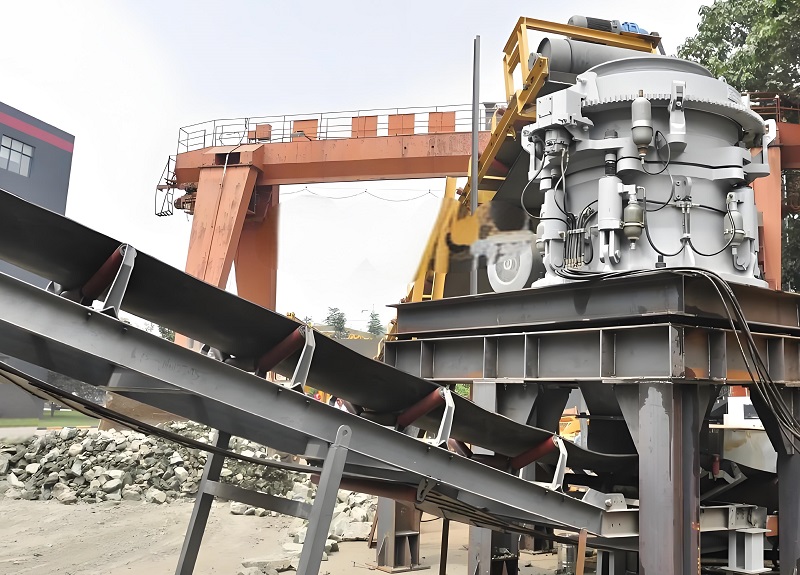
The machine composition of the construction waste crushing system always revolves around the three core functions of "crushing, grading, and purification." Equipment selection needs to be flexibly adjusted based on the type of raw materials, processing scale, and finished aggregate requirements. The fixed production line is fully equipped and suitable for large-scale resource utilization bases, with an annual processing capacity of 500,000 to 1.2 million tons. The mobile system integrates various modular equipment on a tracked/wheeled chassis, making it compact and flexible, suitable for on-site processing at demolition sites, with a processing capacity of 50-150 tons per hour. Through the coordinated operation of various equipment, the entire system achieves the reduction, harmlessness, and resource utilization of construction waste, solving the problem of construction waste disposal and producing high-value-added recycled aggregates, meeting the dual needs of green building materials development and ecological environmental protection.


Company: Zhengzhou ZhongCheng environmental protection equipment co., LTD

Company address: 36 xueyuan road, Zhengzhou City, Henan Province, China.

Whatsapp:+86-18738194110


Our Email

Our phone
 86-18738194110
 86-18738194110

Save Time! Get A Detailed Quotation Quickly.


 2026-04-22